Category: sectors

  • Training & Education

    Why use XR today

    • Experiential learning: you learn by doing, not just listening
    • Greater engagement: more attention, motivation and participation
    • Safety: simulation of complex or dangerous scenarios without risk
    • Cost reduction: fewer physical materials, travel and infrastructure
    • Accessibility: immersive training remotely and personalised
    • Objective assessment: real-time performance monitoring

    A look at the future

    • Educational Digital Twins to simulate real environments, processes and systems
    • Collaborative immersive classrooms, without geographical limits
    • New digital skills for the professions of tomorrow
    • Sustainability: fewer commutes, less waste, greater efficiency

    Who we address

    These solutions are aimed at schools, universities, training bodies and research centres, which can enrich educational programmes through new immersive experiences, practical simulations and interactive learning environments, improving training effectiveness and student engagement.

    At the same time, companies and vocational training organisations can use extended reality to develop upskilling and reskilling programmes, foster experiential learning and make training more accessible, safe and measurable.

    XR does not replace traditional teaching: it enhances it, transforming training from theoretical to experiential, from standard to personalised, from passive to engaging.

  • Industry 4.0

    Industry 4.0

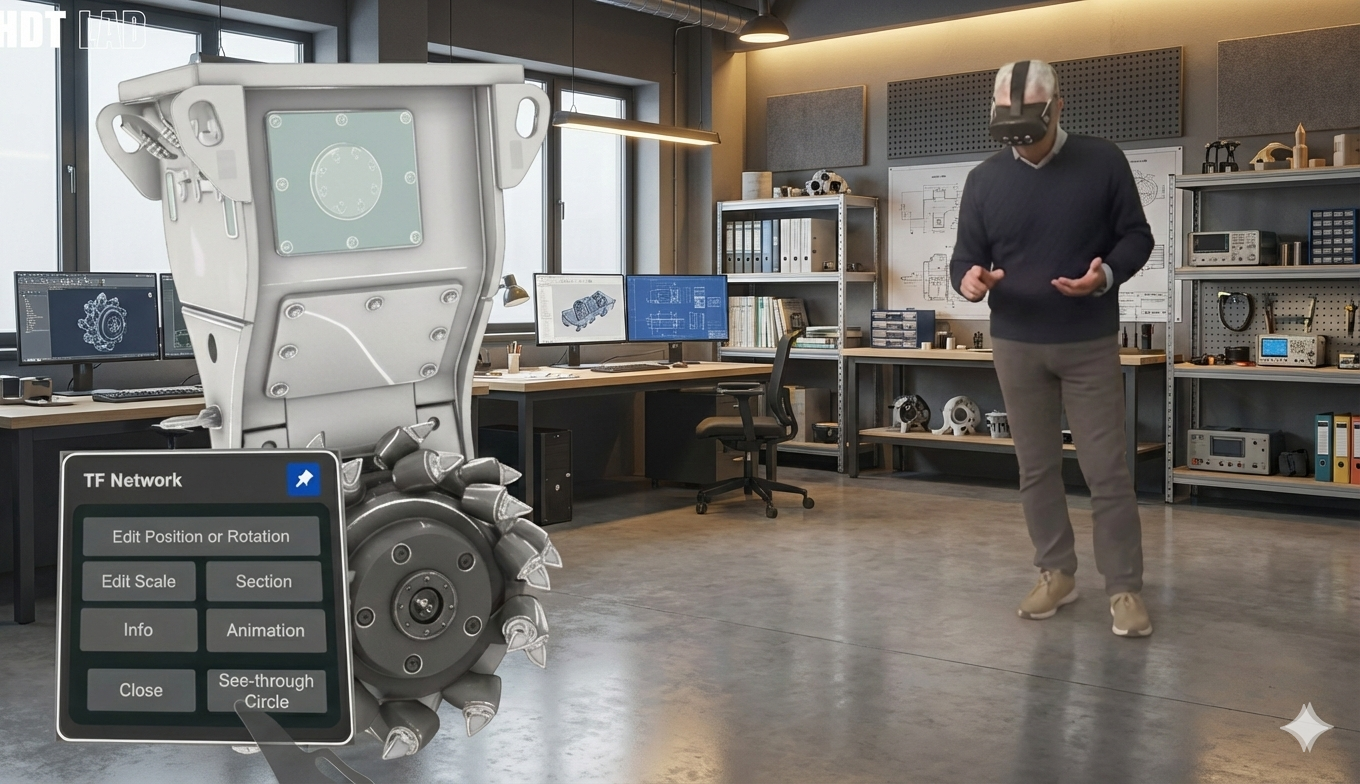
    Extended Reality (XR) is a key technology for Industry 4.0, capable of connecting people, machines and data in an intuitive and immersive way, improving operational efficiency, safety and production continuity.

    Why use XR today

    • Assisted remote maintenance: real-time support with visual instructions and digital annotations
    • Cost optimisation: fewer site visits, fewer errors, fewer reworks
    • Operational safety: guidance in complex or dangerous environments
    • Trade fairs and congresses: presentation of industrial machinery at fairs. Visitors can see, explore and interact with machinery in an immersive way, as if they were truly present.

    A look at the future

    • Industrial Digital Twins to simulate plants, processes and future scenarios by modifying one or more variables in a model
    • Collaboration between technicians and specialists in shared XR environments
    • Smart and sustainable factories, with less waste and greater efficiency

    Who we address

    These solutions are aimed at manufacturing companies, process industries and industrial operators, who can optimise production and maintenance activities through immersive support tools, reducing downtime, improving safety and increasing operational efficiency.

    At the same time, technical service providers, system integrators and support teams can use extended reality to offer advanced remote maintenance, on-the-job training and real-time collaboration between experts and field operators.

    Extended Reality does not replace human skills: it enhances them, making the factory more connected, resilient and people-oriented.

  • Culture & Tourism

    Culture & Tourism

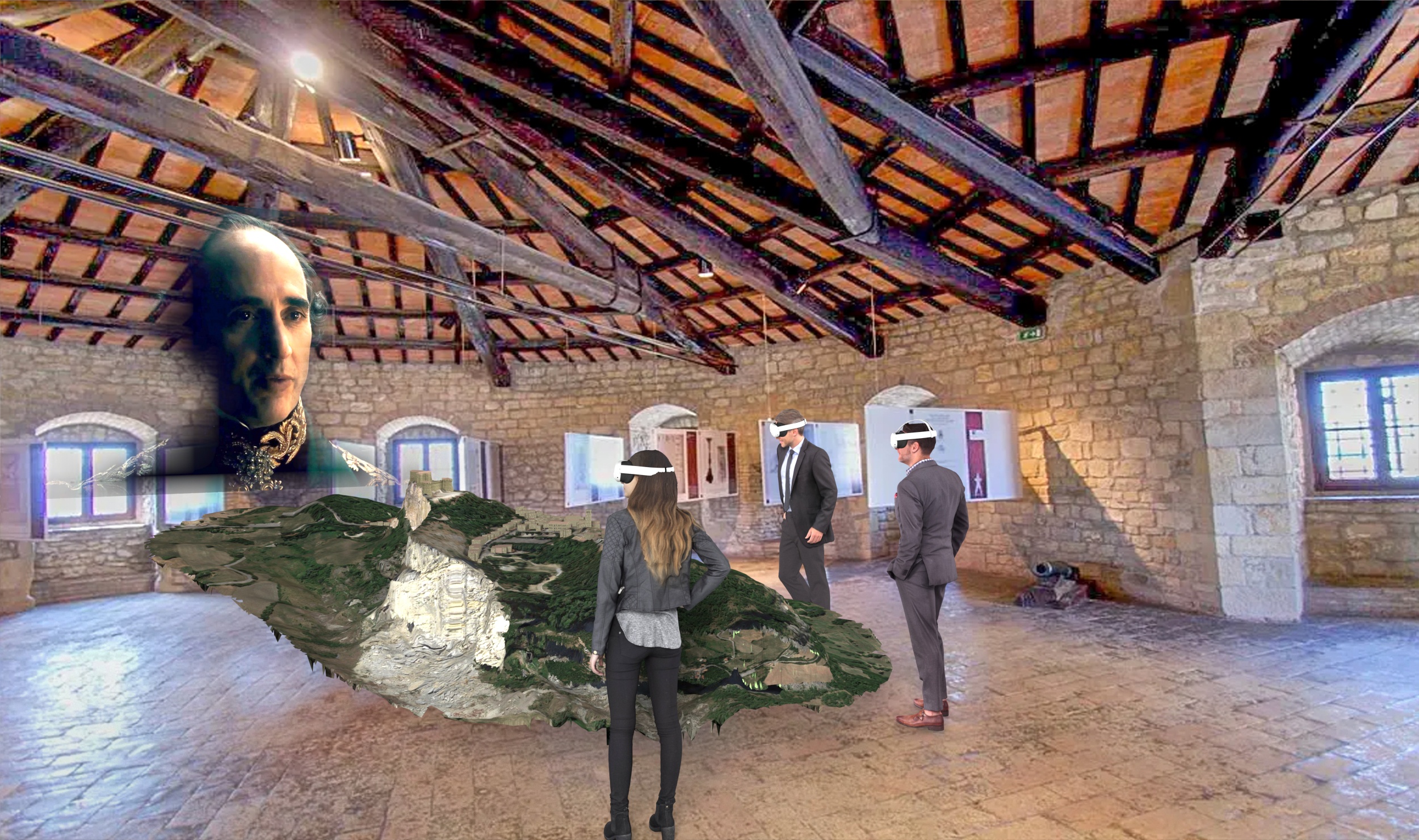
    Extended Reality (XR) offers new ways to tell, enhance and experience cultural and tourist heritage, transforming the visit into an engaging, accessible and memorable experience.

    Why use XR today

    • Immersive experiences in cultural sites: historical reconstructions and interactive narratives
    • Heritage enhancement: access to invisible or no-longer-existing content
    • Extended accessibility: inclusive enjoyment even remotely or with dedicated support
    • Experiential tourism: emotional involvement of the visitor
    • Reduction of physical impact on sensitive and monumental sites
    • Multilingual and customisable digital storytelling

    A look at the future

    • Digital Twins of cultural sites and territories, updated over time
    • Augmented, personalised and intelligent tourist itineraries
    • Virtual museums and destinations, without geographical barriers
    • XR + AI integration for virtual guides and adaptive storytelling
    • Sustainable, more aware and distributed tourism

    Who we address

    These solutions are aimed at museums, galleries and cultural conservation centres, which can enrich the visitor experience through historical re-enactments and new ways of interacting with artistic heritage, enhancing culture and art. At the same time, tourist and marketing agencies can use extended reality to create innovative virtual experiences, promote destinations and tours, and allow visitors to explore locations in an engaging and highly interactive manner.

    Extended Reality does not replace the real experience: it enriches it, making culture and tourism more accessible, engaging and future-oriented.

  • Architecture & Real Estate

    Extended Reality (XR) is transforming the way spaces and properties are designed, visualised and valued, making the experience more engaging and comprehensible.

    Why use XR today

    • Immersive visualisation of projects: realistic exploration of spaces before they are built
    • Better communication with clients and stakeholders: less ambiguity, clearer decision-making
    • Reduction of errors and revisions: early verification of volumes, materials and layouts
    • Experiential sales and marketing: interactive tours, even remotely
    • Real-time personalisation: materials, furnishings and configurations on request

    A look at the future

    • Digital Twins of buildings and neighbourhoods
    • Integrated design with BIM
    • Immersive experiences for smart buildings and smart cities
    • New real estate sales models, entirely digital and global
    • More sustainable architecture, thanks to advanced environmental simulations

    Who we address

    These solutions are aimed at architecture, engineering and design firms, which can improve design and communication processes through immersive visualisations, reducing errors, revisions and decision-making timescales.

    At the same time, property developers, agencies and investors can use extended reality to enhance projects and properties, create virtual visit experiences, personalise proposals and make the sales process more effective and engaging.

    Extended Reality does not replace the architectural project: it amplifies it, making every space more comprehensible, sustainable and human experience-oriented.